
A Guide to the Valley of Desolation
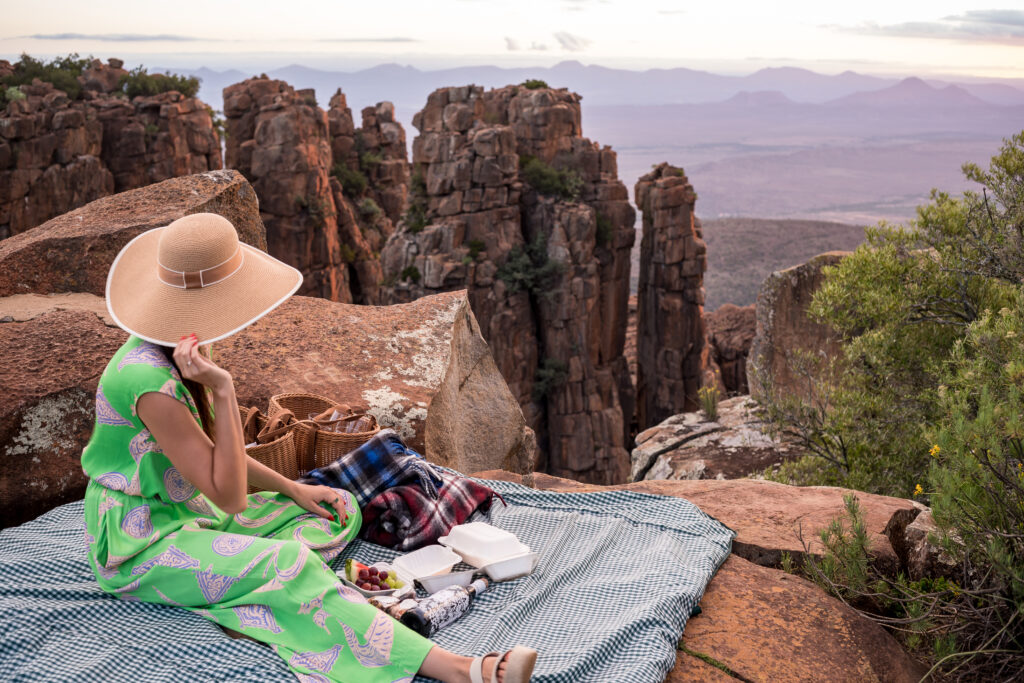
A short drive from Graaff-Reinet takes you into the heart of Camdeboo National Park, where you can enjoy the park’s unique plants, wildlife, and wide-open spaces. The Valley of Desolation is the highlight of any visit to Camdeboo National Park. The viewpoint is approximately 9 km from the park entrance, along a tarred road that winds steeply up to a small parking area at the top of a hill. From here, a short footpath leads to the viewpoint; it’s an easy walk, though not wheelchair friendly. At the summit, a platform marks the spot, but most visitors prefer to settle on the surrounding rocks to take in the dramatic dolerite columns and sweeping mountain views. The valley feels remote and peaceful, offering a chance to experience the rugged beauty of the Karoo in all its quiet majesty. Staying at the Drostdy Hotel offers the perfect blend of comfort, history, and proximity to the Valley of Desolation, making it an ideal base for exploring one of South Africa’s most iconic natural wonders. A Brief Geography Lesson The Valley of Desolation looks the way it does as a result of volcanic activity that shaped the Karoo’s landscape millions of years ago. When molten dolerite pushed up through the Earth’s crust into sedimentary rock layers, it cooled and contracted, forming the striking vertical columns we see today – though shrouded from view at the time. As time stretched on, the sedimentary rock eroded – due to wind, rain and other natural forces – revealing the columns of dolerite. Today, this valley sits within the Camdeboo National Park, perched along the edge of an escarpment that drops sharply into the surrounding plains. The park itself spans over 180 square kilometres, preserving our region’s unique ecosystems, from open plains to rugged escarpments. Visitors may encounter a variety of wildlife, including springbok, steenbok, and a host of bird species that make the park a haven for nature enthusiasts. Whether you are hiking, cycling, birdwatching, or simply soaking in the staggering scenes, this park offers a full Karoo experience beyond the valley itself and remains one of our favourite sites to recommend to guests. Why You Should Visit There are few places that inspire a genuine sense of awe, but the Valley of Desolation is one of them. Its jagged rock formations catch the light differently throughout the day, creating ever-changing shades and textures that appeal to photographers and casual visitors alike. The sense of isolation here is profound; the wind whistles through the columns and carries the quiet vastness of the Karoo, making every visit feel like stepping into another world. Hikers and nature lovers will appreciate the accessible trails that wind along the escarpment in the wider park, where encounters with local flora and fauna, from small antelope to rare bird species, enrich the experience. Even a short stop at a viewpoint can leave a lasting impression – case in point! Day Trips from The Drostdy Hotel Reaching the Valley of Desolation from Drostdy Hotel is an easy 15-minute drive to Camdeboo National Park (via the R63), and a further 15-minute drive once inside. The journey itself provides glimpses of the rolling Karoo landscape, dotted with historic farms, before reaching the park’s gate, where you’ll be required to fill in a short form and pay a nominal entry fee. To reach the viewpoint, take a look at the park map here, or ask for directions at the gate. Note: Reaching the viewpoint (Valley of Desolation) does require a short, 5-minute walk – suited to all fitness levels. One of the most memorable ways to experience the valley is with a picnic, which you can request at our front desk. With a blanket, some local treats (and perhaps a bottle of wine), you’re free to find a spot on one of the designated viewing areas and soak up the majesty of this special place. For those wishing to extend their exploration, a hike along the main trail allows for closer encounters with the dolerite columns and the deeper ravines, offering ever-changing perspectives and photo opportunities. The Best Times of Day to Visit For those seeking dramatic landscapes and exceptional photographic opportunities, timing your visit to the valley is key. Sunrise casts a soft glow across the dolerite columns, highlighting their rugged textures against the crisp morning light, while late afternoon and early evening, as the sun dips toward the horizon, bathes the valley in warm, golden hues that bring out the depth of the ravines and the subtle reds and purples of the surrounding terrain. Regardless of when you arrive, the changing angle of the sun transforms the valley into a dynamic and ever-changing spectacle. Take note of the park’s gate times: January & February: 6am – 8pm March: 6am – 7.30pm April: 6.30am – 7pm May: 7am – 6.30pm June: 7am – 6pm July & August: 7am – 6.30pm September: 6.30am – 7pm October: 6am – 7.30pm November: 6am – 8pm December: 6am – 8.30pm Book Your Stay at Drostdy Hotel Nestled in the heart of Graaff-Reinet, the Drostdy Hotel offers an elegant and luxurious retreat after a day exploring the Valley of Desolation. With our historic charm, central location and sparkling swimming pools – perfect for a refreshing post-outing dip – we’re the perfect base from which to discover the Karoo’s most remarkable landmarks. Browse our beautiful suites here and get in touch with our reservations team at reservations@drostdy.co.za to book your stay. Alternatively, make use of our online booking platform to secure your dates.
Art & Culture in Graaff-Reinet: Museums & Galleries
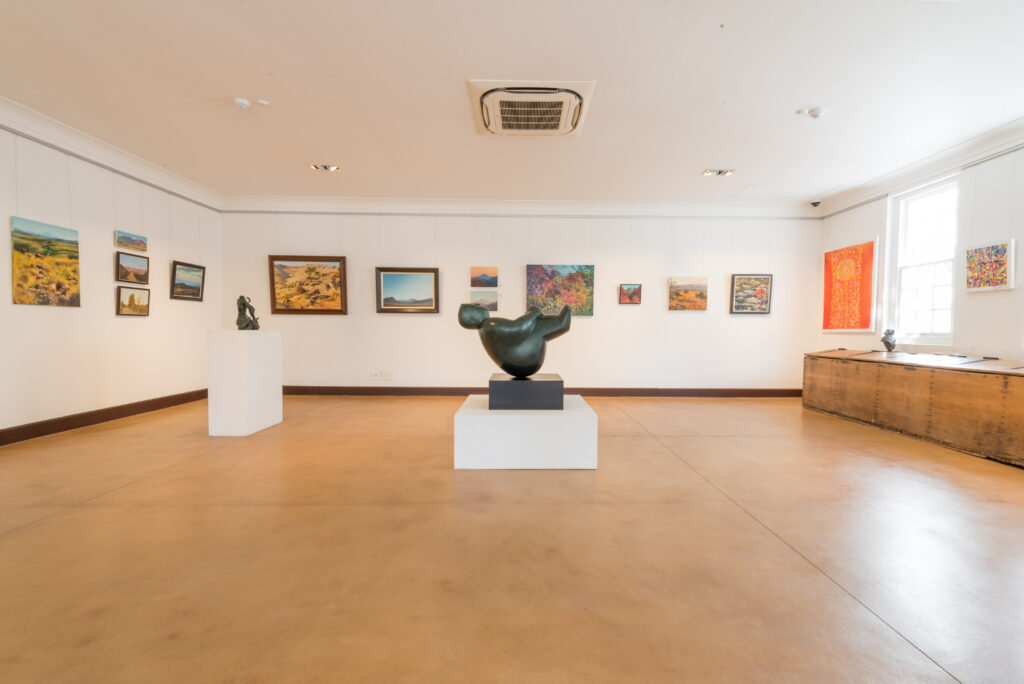
Whether or not you’re a fan of History as a subject, there’s no denying its presence in Graaff-Reinet, one of South Africa’s oldest towns. Here, history seems to hum beneath the surface in the form of ancient oaks, Cape Dutch buildings and the presence of no less than 220 national heritage sites! For guests of The Drostdy Hotel, exploring Graaff-Reinet’s museums and galleries is a way to step behind our town’s handsome façade and see it as a part of the Karoo’s wider story. Remember, these are not sterile display rooms of glass and labels, but living spaces that tell very human stories. From fossils to fine art, these are our favourite museums and galleries for you to explore, all within walking distance of The Drostdy Hotel, in Graaff-Reinet! The Graaff-Reinet Museum Complex Just a short stroll (400m) from the hotel lies a collection of five elegant heritage buildings collectively known as the Graaff-Reinet Museum Complex. Together, they hold centuries of memory; each room, gable, and creaking floorboard revealing a different facet of our town’s past. At the centre of it all is Reinet House, once the Dutch Reformed parsonage and home to generations of the Murray family. It’s a graceful Cape H-plan building, its whitewashed walls a testament to both endurance and reinvention. Here, you’ll find a treasure chest of period furniture, a withond distillery, a beautifully restored mill house with a working water wheel, and the Laubscher doll collection, a charming nod to the domestic artistry of the time. Don’t miss the ancient grapevine planted in 1870 – still growing in the courtyard! Across the road, Urquhart House opens a window into 19th-century life, from polished peach-pit floors to the everyday objects of the early settlers. Funny how ordinary objects become so significant and fascinating when displayed in this way… Meanwhile, the Old Library houses fascinating exhibitions that stretch far beyond local history, from the Mangaliso Robert Sobukwe Collection and Townley Johnson’s rock art displays to rotating exhibitions exploring themes like slavery, restitution, and renewable energy. Finally, the Military History Museum, built in the style of an old stable, captures Graaff-Reinet’s military past through the Anglo-Boer War and both World Wars. These exhibits remind visitors that even remote Karoo towns were not untouched by the larger issues of history. The Old Residency building is currently closed for restoration work. Together, these five buildings form one of the most compelling Graaff-Reinet museums collections, and a rare chance to experience South African history in a place where the architecture is part of the exhibit. Image Credit: www.graaffreinetmuseums.co.za Karoo Origins Fossil Centre From history to prehistory… Just outside of our hotel’s own historic complex lies Karoo Origins: The Fossil Centre, a place that stretches your imagination back hundreds of millions of years, and a recent addition to our town’s many attractions. Here, the world-famous Rubidge Fossil Collection takes centre stage, comprising over 850 fossil skulls, some belonging to species that predate the dinosaurs. The story told here is that the Karoo once teemed with life long before humans walked the earth, and it was this ancient landscape that witnessed the greatest extinction event of all time, 252 million years ago. The immersive diorama of life-sized prehistoric creatures and compelling video footage on the Permian extinction make this one of the most engaging Graaff-Reinet museums for both adults and children. You can even watch technicians carefully exposing fossils from rock, revealing the meticulous process behind every discovery. (Who else dreamed of being an archaeologist like Indiana Jones when they were small?) After exploring deep time, why not pause at the on-site café for coffee, wine, or a light lunch in their shaded courtyard? Spring is certainly the season for it. Guests booking our Heritage & Horizons Package enjoy complimentary entry to Karoo Origins, the perfect addition to a springtime stay. Imibala Gallery Back at The Drostdy Hotel, art finds a more contemporary expression in the Imibala Gallery, our on-site exhibition space. Imibala means “colours,” which perfectly captures the spirit of what we’re trying to create here: A vibrant, inclusive gallery that is alive with the talent of local South African artists. Exhibitions change regularly, offering guests a chance to encounter everything from fine art and sculpture to photography and mixed media pieces. More than just a gallery, Imibala is a platform for empowerment. It reflects our partnership with the Imibala Trust, which supports educational and social development initiatives for children in the region. Every artwork purchased here ripples outward, supporting both artist and community. Hester Rupert Art Museum A few steps along Church Street stands one of Graaff-Reinet’s most iconic cultural landmarks: The Hester Rupert Art Museum; something between a museum and a gallery. Housed in what was once a Dutch Reformed Mission Church built in 1821, this small, whitewashed building was saved from demolition in the 1960s thanks to the vision of Dr Anton Rupert, a son of Graaff-Reinet. Today, it’s home to a remarkable collection of 20th-century South African art: Over a hundred works donated by leading artists of the time in response to Rupert’s call to preserve the building. Works range from lyrical landscapes to those that engage with powerful social commentary. It’s a small collection, but it carries immense cultural weight; a legacy that we all get to enjoy together. Stay With Us At The Drostdy Hotel, we believe that exploring Graaff-Reinet’s art and culture is a way of deepening your stay and giving context to our hotel’s place in this town’s history. After a morning spent wandering through Reinet House or admiring local works at Imibala, return to the cool quiet of your suite, or linger over a glass of wine in our courtyard as the church bells echo across town. Graaff-Reinet has always been a place of preservation and imagination, and at The Drostdy, you’re perfectly placed to experience both. To stay with us or book the Heritage & Horizons Package, contact our reception desk at reservations@drostdy.co.za or fill out our online enquiry form.